Ant Infestation In Garden | Fast & Professional Outdoor Ant Control
An ant infestation in the garden can quickly spread across lawns, garden beds, pathways, retaining walls, and outdoor entertaining areas. Ant colonies often build nests in soil, under pavers, around tree roots, and near irrigation systems where moisture and shelter are available. Once established, ants can create multiple trails and invade nearby homes.
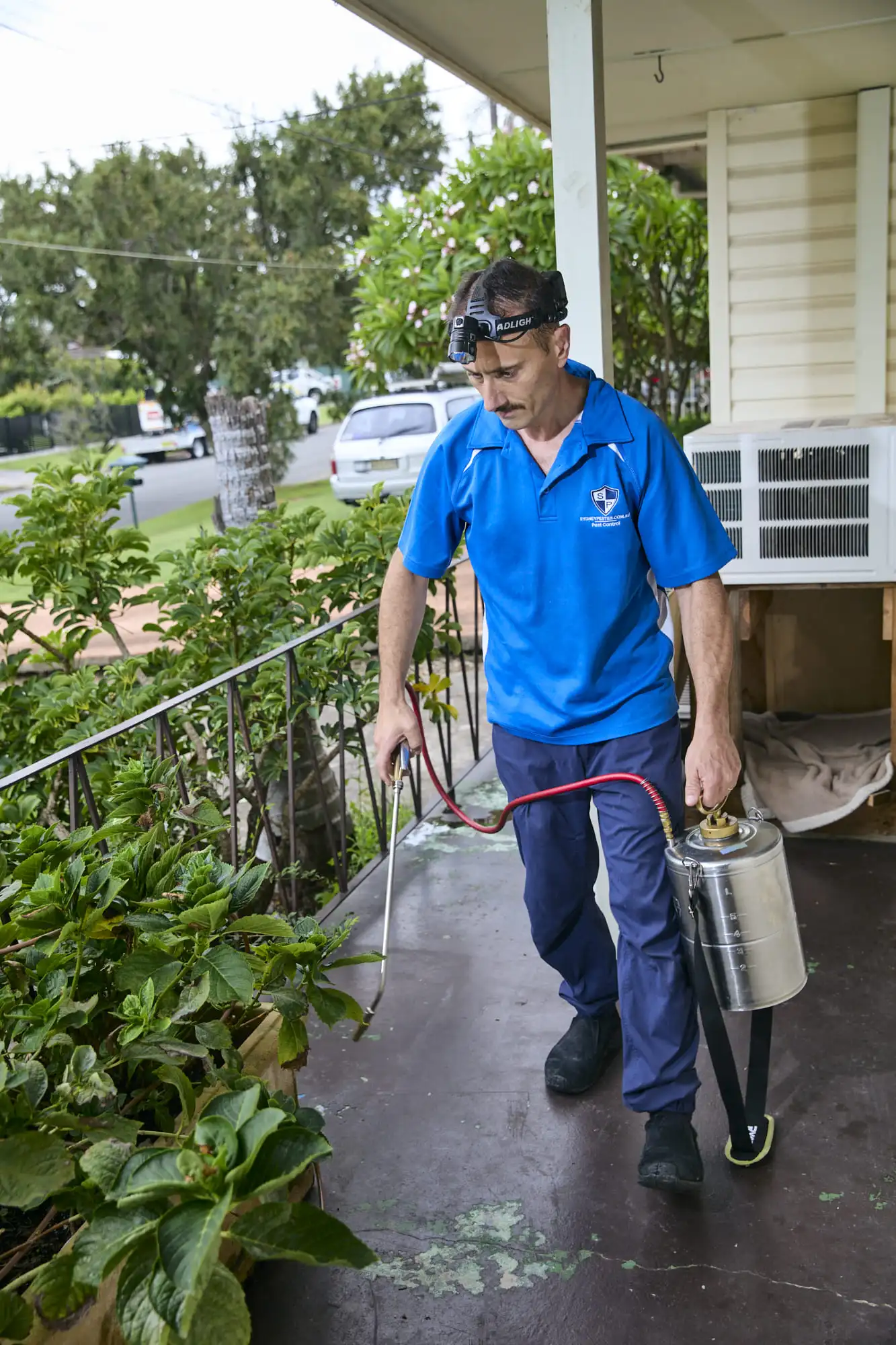
Professional outdoor ant control is the most effective way to manage a garden infestation. Inspection-based treatment helps identify ant species, locate nest sites, assess colony size, and apply targeted solutions for stronger long-term results instead of temporary surface treatment.
Why Ants Infest Gardens
Gardens provide ideal conditions for ants through soil warmth, moisture, mulch, fallen fruit, plant nectar, compost, and sheltered nesting zones. Pavers, timber edging, stones, and cracks in pathways also create protected spaces for colonies.
During warm weather or after rain, colonies may become more active and expand into new areas. Some species then move indoors searching for food and water.
Common Garden Ant Problems
- Large ant trails across paths and patios
- Nests in lawns or garden beds
- Ant mounds near retaining walls
- Ants entering outdoor dining areas
- Colonies under pavers or stepping stones
- Ants moving from garden into the home
Why DIY sprays fail outdoors
Many surface sprays kill worker ants only. Hidden queens and deeper nests often survive underground, causing the infestation to continue or return.