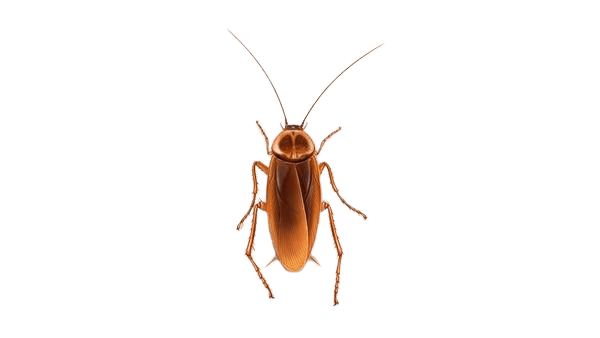
Professional Rooty Hill cockroach control with inspections, targeted treatments, and long-lasting protection.
Cockroach Control Rooty Hill
Cockroach infestations in Rooty Hill can spread rapidly if nests and entry points are not treated correctly. Sydney Pesties provides professional cockroach pest control in Rooty Hill using an inspection-based approach that focuses on harbourage zones, breeding areas, and access routes. Our local service follows the same proven standards used across our Cockroach Control Sydney services.
The video above demonstrates common cockroach activity and professional treatment methods. In Rooty Hill homes, infestations frequently start behind appliances, inside cupboards, and near moisture sources such as sinks and floor drains. For trusted pest control Sydney residents rely on, Sydney Pesties delivers reliable, long-term solutions.
Professional Cockroach Pest Control in Rooty Hill
Rooty Hill includes family homes, duplexes, apartments, and small businesses. Shared walls, plumbing lines, and storage areas can allow cockroaches to move easily between spaces. Warm conditions, food residue, and hidden moisture create ideal conditions for infestations if not addressed early.
Sydney Pesties avoids unnecessary blanket spraying and instead applies targeted treatments where cockroaches live and travel. This approach, used across all our pest control Sydney services, helps reduce infestation levels while lowering the risk of reinfestation.
Why Cockroaches Are Common in Rooty Hill
Cockroaches are attracted to warmth, moisture, and accessible food. In Rooty Hill, common contributors include busy kitchens, pet feeding areas, leaking taps, cluttered garages, and stored cardboard. Once a nest is established, populations can increase quickly without professional intervention.
Can cockroaches bring diseases?
Cockroaches can carry bacteria from drains, bins, and waste areas onto benches and food surfaces. Their droppings and shed skins may also trigger allergies and asthma, making prompt professional control important for household health.
Signs You Need Cockroach Control in Rooty Hill
Cockroaches appearing when lights are switched on
Daytime sightings indicating heavier infestation
Droppings in cupboards, drawers, or skirting boards
Egg cases near appliances or hidden cracks
Strong musty smell behind fridges or ovens
Flying cockroaches during warm evenings
Where Cockroaches Hide in Rooty Hill Properties
Behind refrigerators, ovens, and dishwashers
Under sinks and around pipe penetrations
Inside cupboards, drawers, and pantry corners
Bathrooms, laundries, and floor drains
Garages, storage rooms, and cardboard boxes
Wall cavities, roof voids, and weep holes
Cockroach smell behind fridge
A persistent oily or musty smell behind the fridge often indicates a nesting site. This odour comes from droppings and pheromone trails left by cockroaches. Treating behind appliances is essential for effective control.
Best Way to Kill Cockroaches in Rooty Hill
Effective cockroach control combines inspection, targeted treatment, and prevention advice. Sydney Pesties tailors each service based on infestation size, property layout, and cockroach species to achieve long-lasting results.
Request a Free Quote for Cockroach Control in Rooty Hill
If you want cockroaches removed properly and prevented from returning, contact Sydney Pesties today. We provide reliable cockroach control in Rooty Hill with practical, long-lasting results.
             Posted on         Patrick Stephen     Trustindex verifies that the original source of the review is Google. High recommended, very good service by Marc, he has the knowledge and experience, mainly the politeness with his customers. Thanks for the good service Marc.         Posted on         Brook     Trustindex verifies that the original source of the review is Google. Highly recommend!! The service was very thorough, Marc went above and beyond. Will definitely be using Sydney Pesties again!!         Posted on         Pinar Santos     Trustindex verifies that the original source of the review is Google. We always book these guys to do pest control for our house. They are amazing and thorough with their job. He’s amazing to speak to and work with and very very kind man. He gets to each spot and makes sure it is done well.         Posted on         Food Glorious Food     Trustindex verifies that the original source of the review is Google. Professional, thorough and excellent value for money! Big thank you to Marc and Bill 👍
Highly recommend :)         Posted on         Mark Boyd     Trustindex verifies that the original source of the review is Google. Have used a few times now. Good prices, very knowledgeable and professional         Posted on         Esther Tomokino     Trustindex verifies that the original source of the review is Google. Marc was very helpful with our problem with the bird mites ,very clear communication skills ,I highly recommend him for any of your pest control problems.         Posted on         Scott     Trustindex verifies that the original source of the review is Google. Marc is an amazing person, he came to look at the bees in my window, he was here within 10 minutes, he helped me get rid of them safely and talked me through how to prevent them from entering the walls.
An honest, reliable guy, definitely will be getting all my pest control services through you Marc.
Thanks again mate.         Posted on         Jordan     Trustindex verifies that the original source of the review is Google. Very friendly, quick and efficient, good pricing and i can already seen its working from when i returned home. Thank you!         Posted on         Ava Lansley     Trustindex verifies that the original source of the review is Google. Marc and his team were very thorough and informative about their pest control process. They gave us advice on how to further secure our property from cockroaches. Within 10 minutes, the fumigation produced results. Thank you again, Marc!
German Cockroaches
German cockroaches are one of the smallest and most common species of cockroaches, measuring only 10-15 mm in length. With a dark brown or orange color, they typically live in warm areas, often hiding inside electrical appliances. Known for infesting kitchens and other warm spaces, they breed quickly in cracks, crevices, and behind kitchen door hinges. Their rapid breeding rate and adaptability make them especially challenging to control, which is why they’re often considered one of the most difficult cockroach species to manage in homes and businesses.
Brown Banded Cockroach
Brown-banded cockroaches are often mistaken for German cockroaches due to their similar size and appearance. They measure around 13-14 mm in length and have a tan to light brown color, with distinct banding across their wings. Unlike the more prevalent German cockroaches, brown-banded cockroaches are less common and typically have a smaller population in infested areas. Their presence is usually less widespread, and they tend to inhabit warmer, drier spaces than German cockroaches.
American Cockroach
American cockroaches are the largest species of cockroaches and are among the most common pests found in residential and commercial properties. They have a shiny reddish to dark brown color and measure between 28-44 mm in length. Notably, they have the ability to fly and possess a longer lifespan compared to other cockroach species. In the Sydney Metropolitan area, they are the most prevalent cockroach species, frequently infesting various properties due to their adaptability and resilience.
Australian Cockroach
The Australian cockroach is reddish or dark brown, measuring around 30-35 mm in length. They are easily identified by the yellow or white markings around their thorax and along the edges of their wings. Originally introduced from Asia, Australian cockroaches typically inhabit subfloor areas, gardens, and other outdoor spaces. Although similar in appearance to American cockroaches, these distinctive markings and their preferred outdoor habitats help differentiate them.
Smoky Brown Cockroach
These cockroaches are dark brown to mahogany in color and measure approximately 30-35 mm in length. They are characterized by a distinctive dark, shiny thorax. Primarily feeding on stored timber, they are commonly found inhabiting fences, subfloor areas, and other wooden structures. Their strong preference for wood and outdoor environments sets them apart from other common indoor cockroach species, making them particularly challenging to control in areas where wood is stored or used extensively.
Oriental Cockroach
The Oriental cockroach is a medium-sized species, measuring 20-24 mm in length. They are very dark in color, typically black or sometimes dark reddish-brown. Similar to the American cockroach, Oriental cockroaches have a longer lifespan. They are commonly found infesting sewers and damp areas, making them a frequent problem in urban environments. Their preference for moist, unsanitary areas makes Cockroach Control essential to prevent infestations in residential and commercial spaces. Effective Cockroach Control measures are crucial in managing their population, especially in areas prone to dampness and poor sanitation.
People often blame a cockroach problem on poor housekeeping. While cleaning floors, kitchens, and bathrooms is useful and very important to reduce food sources used by cockroaches, they may get inside and cause an infestation for other reasons. These pests can hitch a ride on infested items brought inside, get indoors via cracks and gaps in the home’s exterior, enter through drains or sewer pipes and a few species of cockroaches can fly inside when attracted to lights.
While cockroaches are one of the most common pest problems, they are also one of the most stubborn. Infestations are hard to get rid of because the insects hide in a host of areas, breed quickly, have a very high reproductive potential and may develop resistance to pesticides.
The length of time it takes to rid your home of a cockroach infestation depends largely upon the species and size of the infestation. Many over-the-counter products that homeowners utilize often prove ineffective against a cockroach infestation. These pests are extremely adaptable and may even be resistant to some DIY cockroach extermination methods.
Cockroaches undergo egg and nymphal stages before becoming adults. Eggs produced by female cockroaches are enclosed in resilient egg cases known as oothecae. The oothecae of cockroach species contain a range of nymph numbers which is dependent on species. The time it takes for eggs to hatch into nymphs varies between species as well and depends upon environmental conditions. Egg Female cockroaches produce egg cases, known as oothecae. Oothecae contain many cockroach eggs and are enveloped by a protein substance that gradually hardens into a strong, protective casing. Some cockroach species drop the egg case, while other species carry it until the eggs are ready to hatch. Nymph Cockroach eggs hatch because of the combined pressure of the hatchlings within. Upon emerging from the egg case, or ootheca, this immature form of cockroach is known as a nymph or baby cockroach. Nymphs are bright white in color initially. They enlarge through the intake of air and will harden and darken within hours. Cockroach nymphs are grayish-brown in color and darken with each progressive molt. The nymphal development to adult ranges in length from months to over a year. Cockroach nymphs are similar to their adult counterparts. Cockroach nymphs undergo a series of molts. They emerge as full adults from their final molt. Adult Once the nymph stage is complete, the adult cockroach comes on the scene. Adults of many species can be distinguished from nymphs by their larger size and the presence of wings. However, a few species of cockroach, like the Madagascar hissing cockroach, lack wings even as adults.
Cockroaches can wreak havoc on your home. To win the war in cockroach control, here’s what you should know: Entry: Cockroaches can enter your home in many different ways, from the outside through cracks and crevices, vents, sewer and drain pipes. We even bring them in on products like grocery bags, boxes, purses and on our person! Ideal Environment: Your home is an ideal breeding ground for certain pest species of cockroaches. With plenty of food, warmth, water and nesting sites, they can remain active all year round. Reproduction: Cockroaches reproduce quickly. For every one you see there can be many, many more hiding and multiplying behind your walls. Evasiveness: Because cockroaches typically are nocturnal, if you’ve seen one, you probably haven’t seen them all. The few cockroaches you see by day could mean they were likely forced out by overcrowding; a possible sign of severe infestation. Allergies/Asthma: The debris created by cast-off cockroach skins, dead bodies and droppings can aggravate allergies, especially in children and sensitive individuals. Do it yourself ineffectiveness: Cockroaches are better at hiding than you are at finding them, and their eggs are naturally protected from many over-the-counter insecticides. Without special equipment, materials and know-how, cockroach control can be a losing battle.
Cockroaches might taint your food with E. coli and Salmonella, and may cause allergic reactions in some individuals by their cast-off cockroach skins, dead bodies, and droppings.
When it comes to cockroaches, garbage, sewage, carrion, and crumbs are all fair game — if it’s there, they’ll eat it. Even the most spotless homes may have cockroaches lurking in the shadows. These pests can hitch a ride on infested items brought inside, or even enter through drains or sewer pipes.
Cockroaches live almost anywhere that food, water, and shelter are available which can include everything from cabinets under sinks to inside or under garbage cans, or near food prep areas
A cockroach is a resourceful pest able to survive almost anywhere that food, water, and shelter are available. Because humans have similar needs, it’s no fluke that the pests thrive in houses.