Use the pattern of sightings to plan the inspection
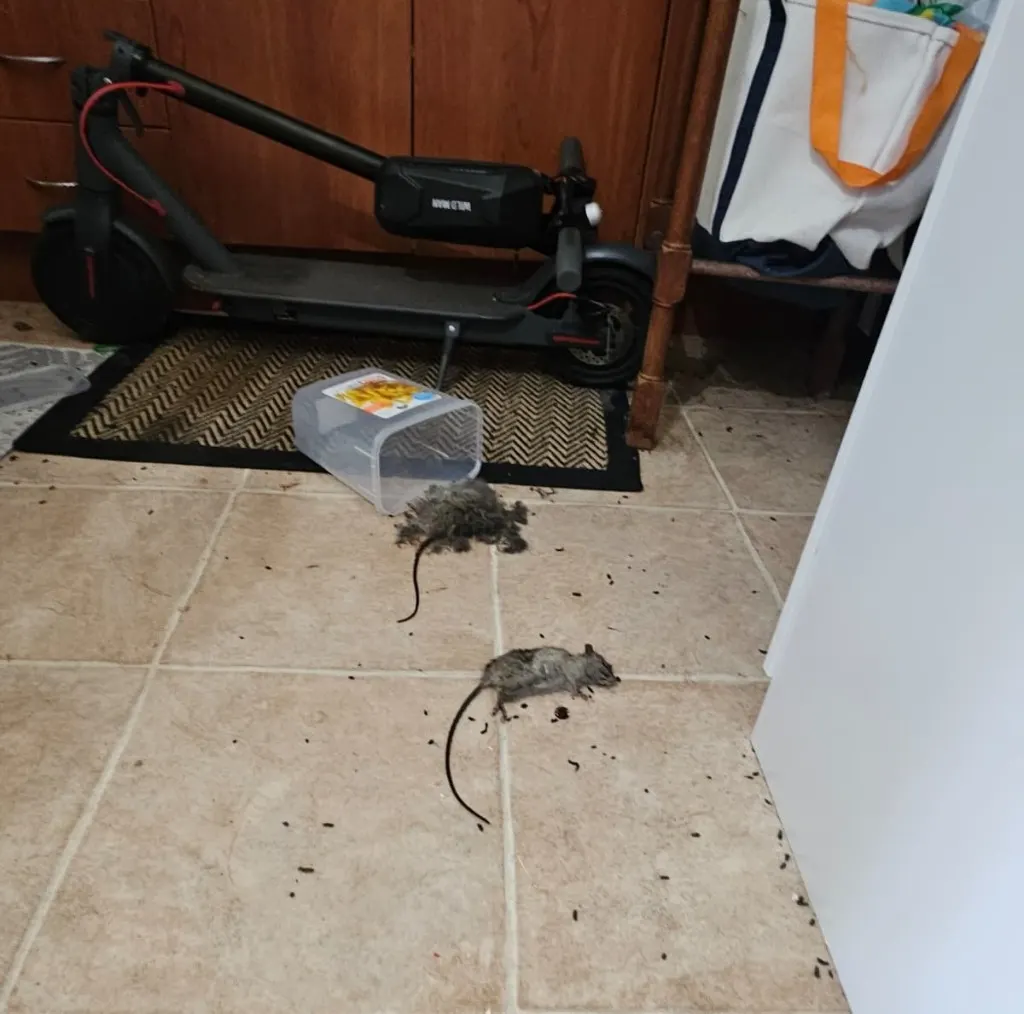
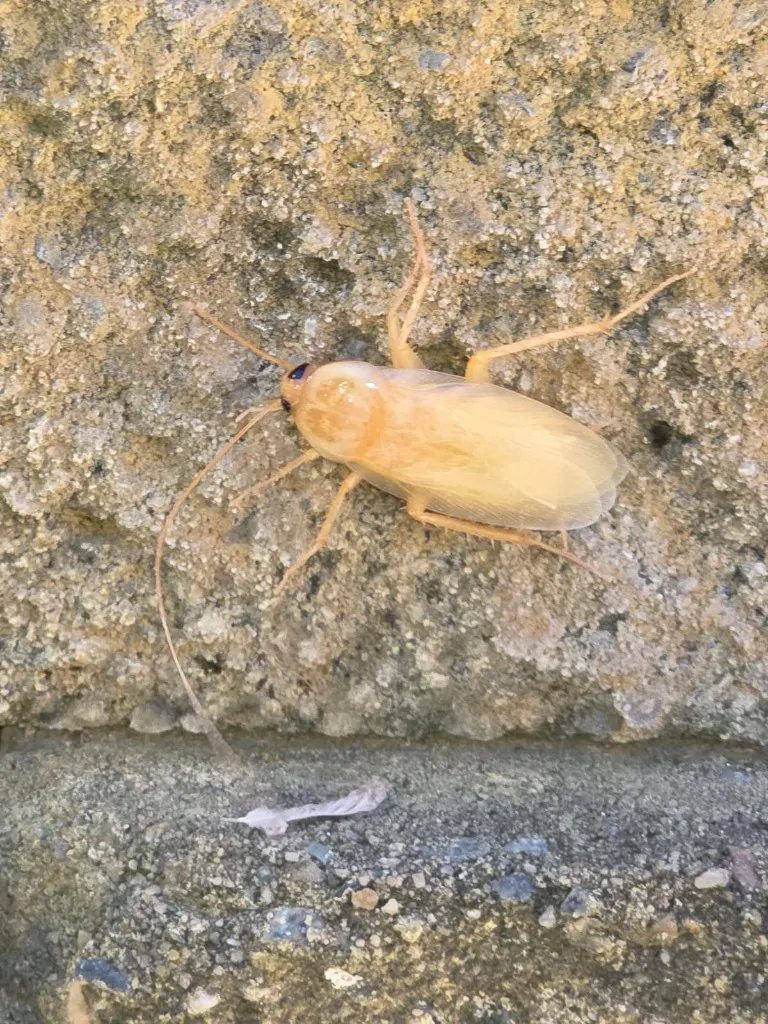
Start with the place where activity has been seen more than once. Note the room or outside area, time of day and any nearby source of food, water or shelter. A photograph, taken without disturbing the area, can be more informative than a guess at the species.
Les maisons, les appartements, les cafés et les entrepôts peuvent être touchés par des problèmes différents : cuisines, combles, poubelles, quais de chargement. Nous n’utilisons pas de solution unique. Nous élaborons un plan de traitement adapté au problème parasitaire que vous rencontrez.
Pour une désinsectisation près de chez moi, je fais appel à un professionnel local, pas à un centre d'appels. L'ouest de Sydney est idéal. Sydney figure sur cette carte.
When arranging an inspection in Sydney, describe the first and most recent observations separately. A new sighting near an entrance and repeated activity deep inside a room may call for different checks. Tell the technician which rooms connect, whether they share a wall with another dwelling, and what has changed since the activity began. Include recent deliveries, repairs, water leaks or changes in occupancy if they coincide with the first sighting. These details help narrow the inspection while leaving the final identification to the visit.
What will change the scope of the visit?
Look at how the affected area is used through the day. A door may be open only for morning deliveries, a courtyard may stay damp long after rain, or an external light may draw insects to a single entry. Tell the technician which of these conditions you have actually observed. A practical plan can then distinguish access or maintenance changes from treatment that depends on identifying the pest.
For a quote in Sydney, ask what the first attendance covers, whether monitoring or a follow-up is included, and what would be priced separately. If you rent or manage shared premises, establish who can authorise work in common areas. The person organising the visit can keep the agreed scope, access arrangements and contact details together so the technician can inspect the right part of the building on arrival.
If the concern involves more than one part of the property, list each location in your enquiry. Include the nearest entry, whether the problem is indoors or outdoors and any restrictions on access. A simple sketch can help the person arranging the appointment explain which areas share a wall, drainage line or doorway.