Rodent Control in Sydney offer professional rodent control services across Sydney,

Choosing a trusted rodent control provider in Sydney is not something you should leave to chance. Rodent infestations can escalate quickly, causing serious health risks and costly property damage. With decades of hands-on industry experience, our licensed technicians have developed proven, customised rodent management programs designed to protect both residential and commercial properties across Sydney.
Our approach goes far beyond temporary or surface-level fixes. We conduct detailed inspections to locate nesting zones, identify entry points, and eliminate food sources that attract rodents in the first place. By treating the root cause of the infestation, we deliver long-lasting results — not just short-term relief. All treatments are carried out using family-safe, pet-friendly, and environmentally responsible methods, giving you complete peace of mind while ensuring your property remains rodent-free.
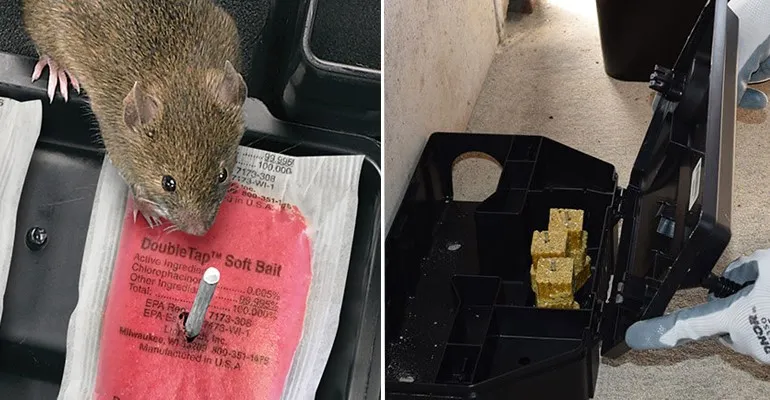
Rats and mice are among the most destructive pests found in Sydney. Once established, infestations can quickly lead to:
Serious structural damage
Contaminated food and surfaces
Electrical hazards caused by chewed wiring
Health risks to occupants and pets
Rodents are highly adaptable and thrive in urban areas, making professional control essential.

Mice enter buildings through very small gaps and multiply rapidly. Our mouse control treatments include secure bait stations, exclusion work, and preventative measures to stop future infestations.
Possums are protected animals but can cause major roof and garden issues. We provide humane possum management solutions that comply with NSW regulations, focusing on safe relocation and prevention.


Rodents such as rats and mice are not only destructive but also carry numerous diseases that can harm both humans and pets. Their ability to spread infection, damage property, and contaminate food makes them some of the most troublesome pests to deal with.
Health Risks from Rats and MiceRodent bites can transmit these infections due to the bacteria present in their saliva, making immediate medical attention crucial. Their droppings and urine can also contaminate surfaces and food, increasing the risk of illness.
Property Damage Caused by RodentsRodents are among the most damaging household pests. Their ability to contaminate food, harm property, and spread dangerous diseases makes fast and effective rodent control essential for maintaining a safe and healthy home or workplace.
Property Destruction
Rodents constantly gnaw to wear down their teeth, damaging:
Electrical cables
Timber structures
Insulation and piping
Stored goods and packaging
This damage can lead to costly repairs and fire hazards.
Preventative steps can help minimise rodent problems:
Inspect roof spaces, cupboards, and hidden voids
Seal cracks, holes, and entry points
Store food securely and manage waste properly
Keep areas clean and clutter-free
When infestations are widespread, professional intervention is the most effective solution.
Posted onTrustindex verifies that the original source of the review is Google. High recommended, very good service by Marc, he has the knowledge and experience, mainly the politeness with his customers. Thanks for the good service Marc.Posted onTrustindex verifies that the original source of the review is Google. Highly recommend!! The service was very thorough, Marc went above and beyond. Will definitely be using Sydney Pesties again!!Posted onTrustindex verifies that the original source of the review is Google. We always book these guys to do pest control for our house. They are amazing and thorough with their job. He’s amazing to speak to and work with and very very kind man. He gets to each spot and makes sure it is done well.Posted onTrustindex verifies that the original source of the review is Google. Professional, thorough and excellent value for money! Big thank you to Marc and Bill 👍 Highly recommend :)Posted onTrustindex verifies that the original source of the review is Google. Have used a few times now. Good prices, very knowledgeable and professionalPosted onTrustindex verifies that the original source of the review is Google. Marc was very helpful with our problem with the bird mites ,very clear communication skills ,I highly recommend him for any of your pest control problems.Posted onTrustindex verifies that the original source of the review is Google. Marc is an amazing person, he came to look at the bees in my window, he was here within 10 minutes, he helped me get rid of them safely and talked me through how to prevent them from entering the walls. An honest, reliable guy, definitely will be getting all my pest control services through you Marc. Thanks again mate.Posted onTrustindex verifies that the original source of the review is Google. Very friendly, quick and efficient, good pricing and i can already seen its working from when i returned home. Thank you!Posted onTrustindex verifies that the original source of the review is Google. Marc and his team were very thorough and informative about their pest control process. They gave us advice on how to further secure our property from cockroaches. Within 10 minutes, the fumigation produced results. Thank you again, Marc!
Frequently Asked Questions
In addition to being tough to control, rodents may carry diseases and taint food with waste, fur, and saliva. In fact, mice can contaminate about 10 times the amount of food they eat. The CDC links some rodents to hantavirus pulmonary syndrome, a disease fatal in about 36 percent of all reported U.S. cases.
The pests are also hosts for fleas, which can spread plague and diseases like lymphocytic choriomeningitis virus. This illness mostly affects those with weakened immune systems and may result in headaches, fever, and meningitis. It can also cause complications during pregnancy.
It is not advisable to handle any wild rodent. They are equipped with large teeth and are capable of transmitting a variety of bacteria, viruses and diseases through their saliva, feces and urine.
Rodents thrive across the world in almost any habitat with access to food and water. Because of their small size, they can be difficult to keep out of a home. Rats can get indoors through holes the size of a quarter, while mice can use gaps the size of a dime to come inside.
The pests are also hosts for fleas, which can spread plague and diseases like lymphocytic choriomeningitis virus. This illness mostly affects those with weakened immune systems and may result in headaches, fever, and meningitis. It can also cause complications during pregnancy.
It is not advisable to handle any wild rodent. They are equipped with large teeth and are capable of transmitting a variety of bacteria, viruses and diseases through their saliva, feces and urine.
Rodents are a group of nuisance pests that includes mice, rats, and squirrels. These animals can contaminate food, damage property, and spread disease. The rodents that most often come into conflict with people in the United States are:
Instincts: Ratsare instinctively wary of things new to their environment, including rat control measures such as traps and bait, and colonize in attics, burrows, under concrete and porches, in wall voids and other hard-to-reach places.
Disease: Rats can harbor and transmit a number of serious diseases. They can also introduce disease-carrying parasites such as fleas and ticks into your home.
Access: Miceinvade your home seeking food, water and warmth.
Contamination: Each mouse can contaminate much more food than it eats.
Prevention methods should be implemented early in order to maintain a home without rodents. Rodents reproduce rapidly, and small populations become full-blown infestations in very little time.
Keep any possible food sources away from rodents. Small crumbs and garbage are popular sources of infestation, as are dry goods such as grains and cereals. These should be kept in sealed metal or glass containers to prevent contamination. Fruits and vegetables should also be stored properly, and resulting waste should never be left in sinks or on counters.
Cardboard objects prove attractive to rodents, as they tend to chew them up for use in their nests.
Because of the rodents’ body plan, they are capable of squeezing through spaces that appear to be much too small for them. All such holes should be sealed to prevent entry and reentry of rodents.
A pest control professional should be contacted for assistance.
Rodents tend to be rapid breeders. Some species breed year-round, and populations are maintained through constant reproduction. Females produce pheromones that attract the attention of males. After sensing the female’s hormones, the male mouse emits an ultrasonic mating call.
A female mouse produces between five and eight offspring after mating. Although females are protective of their young, some also consume their offspring if exposed to high stress such as famine.
Mice young are blind, deaf and hairless for the first three days following birth. For mice with dark adult coloration, pigmentation of the skin begins on the third day. Within five to seven days, fur begins to grow and the ears become receptive. Eyes open between days 10 and 14, at which point young mice become mobile and begin to feed on solid foods.
In 21 to 28 days, babies wean from their mother’s milk. They reach maturity between days 28 and 35 and are then capable of reproduction. Some specimens are capable of breeding at six weeks. Mice tend to live for approximately one year.
Fill Your Details In Get A Free Quote
Request Call Back

private and secure

